

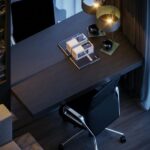
Creating a home workspace that is both relaxing and productive can significantly improve your work-from-home experience. Whether you spend a few hours or full days working at home, a thoughtfully designed environment can help you stay focused, reduce stress, and maintain comfort. Here are practical tips to help you transform your home workspace into a haven of productivity and relaxation.
1. Choose the Right Location
Pick a Quiet Spot
Select a space in your home that minimizes distractions. If possible, choose a room or a corner away from heavy foot traffic, noisy areas, or the main living spaces.
Consider Natural Light
A workspace with access to natural light can boost mood and energy levels. Position your desk near a window to enjoy daylight, but be mindful of glare on your screen.
2. Invest in Comfortable Furniture
Ergonomic Chair
Your chair should support your back and promote good posture. Investing in an ergonomic chair reduces the risk of discomfort and long-term health issues.
Desk at Proper Height
Choose or adjust your desk so that your arms rest comfortably when typing, with elbows at about a 90-degree angle. This helps prevent strain on the wrists and shoulders.
3. Keep Your Space Organized
Declutter Regularly
A tidy workspace minimizes distractions. Keep only essential items on your desk and use storage solutions like drawers, shelves, or organizers to manage other supplies.
Use Cable Management
Tangled cords can look messy and create unnecessary stress. Use clips, ties, or cable boxes to keep wires orderly and out of the way.
4. Add Personal Touches
Decorate Mindfully
Incorporate items that make you feel calm and happy, such as plants, artwork, or personal photos. Keep decorations minimal to maintain a clean and focused environment.
Use Soothing Colors
Soft, neutral colors or your favorite calming hues can create a peaceful backdrop. Avoid overly bright or bold colors that might be distracting.
5. Optimize Lighting for Comfort
Layer Your Lighting
Combine natural light with ambient and task lighting. A desk lamp with adjustable brightness and color temperature can help you work comfortably during different times of the day.
Avoid Glare
Position lights so they don’t reflect on your computer screen. This reduces eye strain and helps keep your focus sharp.
6. Incorporate Elements to Reduce Stress
Indoor Plants
Plants improve air quality and add a touch of nature, which can lower stress and increase creativity. Choose low-maintenance plants if you’re new to plant care.
Essential Oils or Diffusers
If you enjoy aromatherapy, a subtle scent can promote relaxation and focus. Lavender, peppermint, or citrus are popular choices for workspaces.
7. Set Boundaries and Routine
Define Work Hours
Even at home, setting clear work start and finish times helps separate work life from personal life, reducing burnout.
Use Physical Cues
When possible, close the door or use room dividers to visually separate your workspace. This signals to yourself and others that you’re in work mode.
8. Manage Technology Wisely
Reduce Notifications
Limit distractions by turning off non-essential notifications during work periods.
Maintain Screen Health
Follow the 20-20-20 rule: every 20 minutes, look at something 20 feet away for 20 seconds to reduce eye strain.
9. Encourage Movement and Breaks
Take Regular Breaks
Short breaks refresh your mind and body, improving focus. Stand, stretch, or take a short walk to re-energize.
Use a Standing Desk Option
If possible, alternate between sitting and standing while working to promote better circulation and reduce fatigue.
—
By implementing these tips, you can create a home workspace that feels inviting and supports your productivity. Remember, the ideal workspace is personal, so feel free to adjust these suggestions according to your preferences and needs. A comfortable and relaxing environment makes working from home more enjoyable and effective.